Madinah's historic wells are more than isolated shafts on a sightseeing list. Official pages connect them to gardens, neighbourhoods, charitable endowment, restoration and the wider palm landscape. Reading those relationships reveals how water memory survives even when a site is enclosed, rebuilt or temporarily closed.
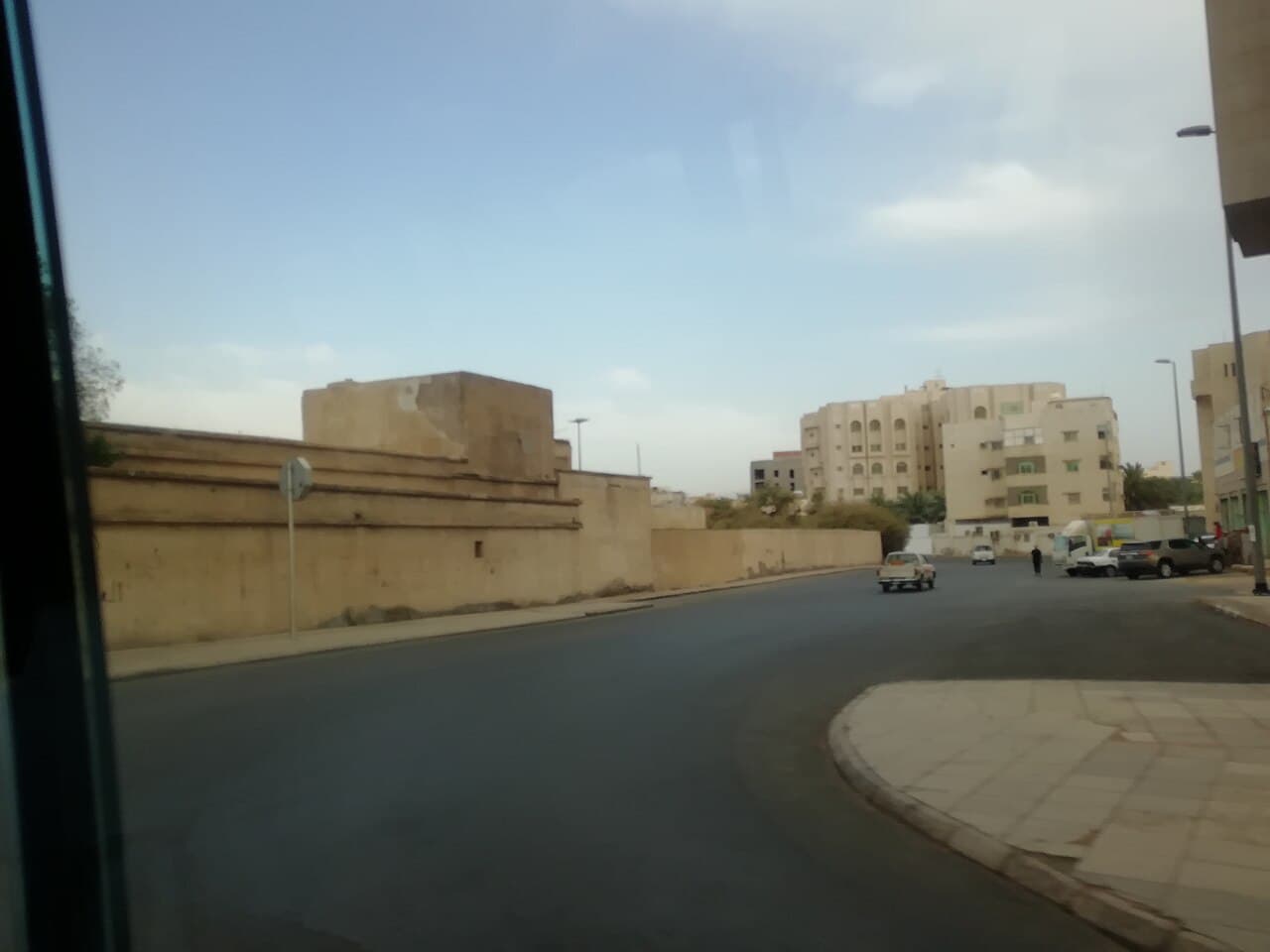
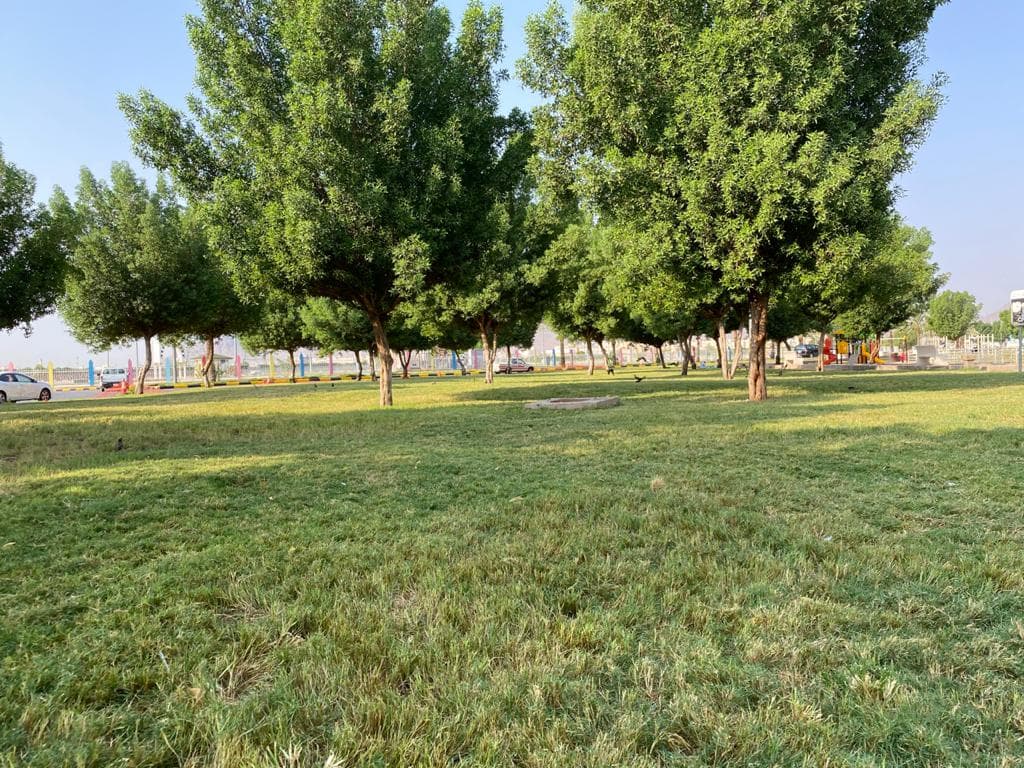
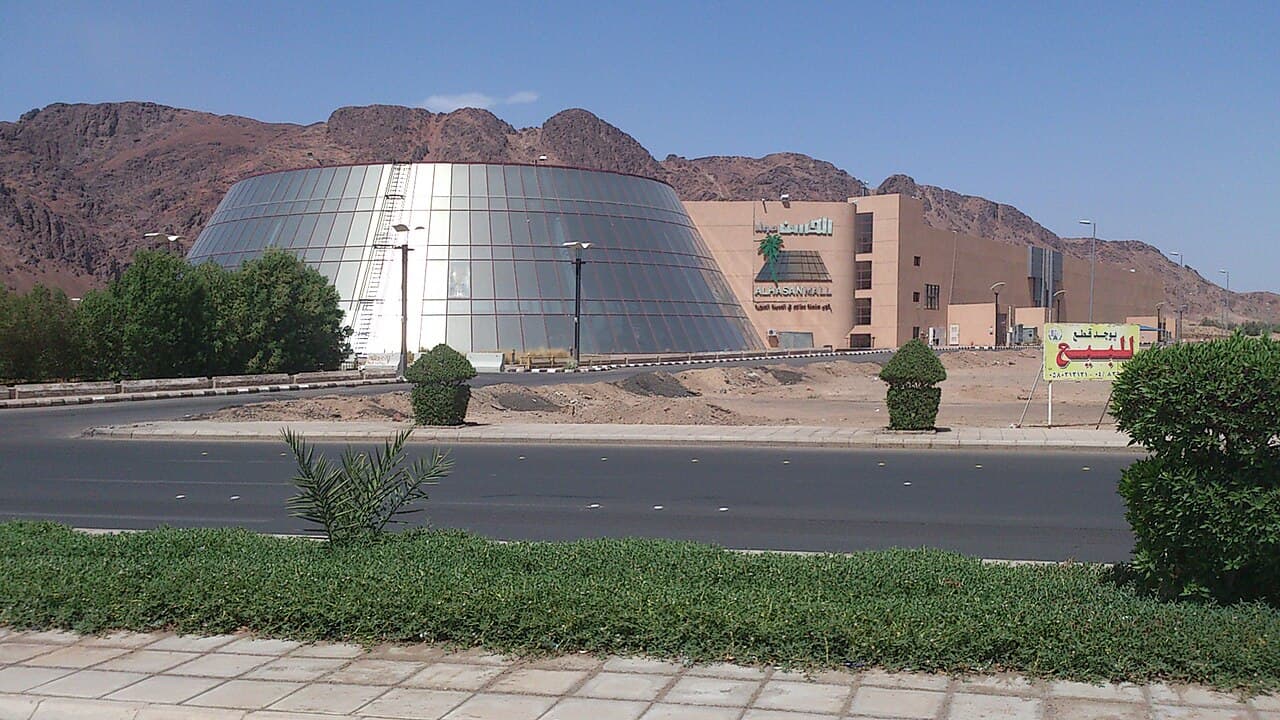
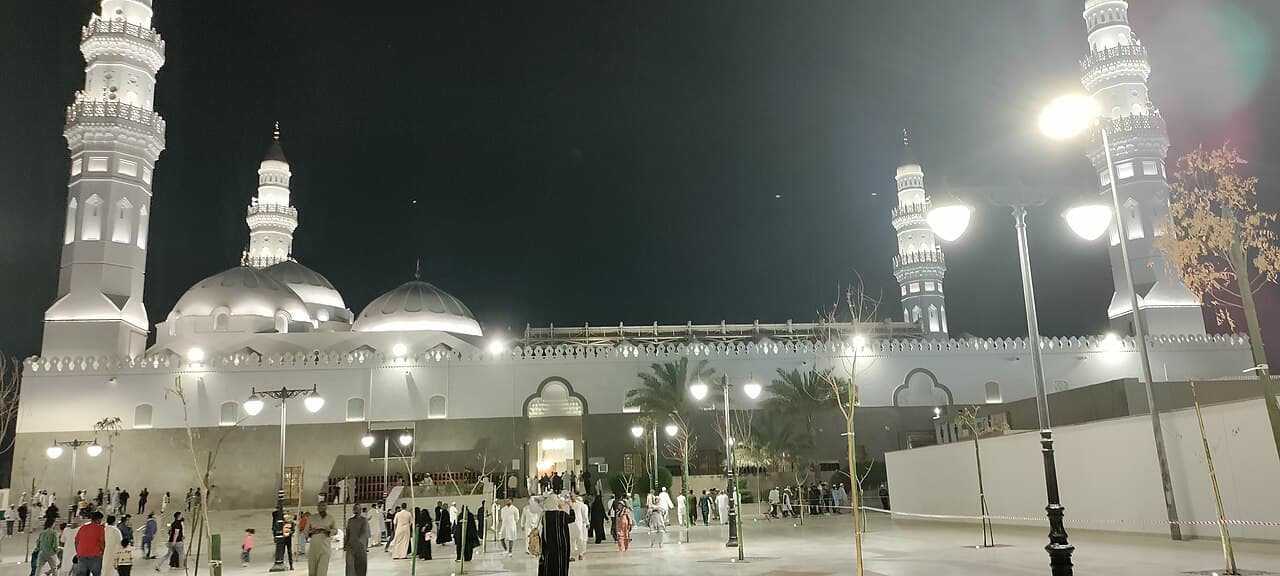
The accompanying image shows Quba district context, not a named well or farm. This article does not encourage drinking from a heritage well, promise entry, or provide devotional instruction. Current barriers control the visit; on 2026-09-14, the official Ghars Well page explicitly reports a maintenance closure with no reopening date.
At a glance
Start here
- Treat each well as part of a garden, district or endowment story.
- Ghars Well is officially closed for maintenance until reopening is announced.
- Well of Rumah links water infrastructure with charitable endowment.
- Aliat farms and Al-Aqiq Valley show water memory at landscape scale.
01
Move from points to systems
A map marks a well as a point, but official records place wells inside larger systems. Al-Ihn takes its later name from the garden around it. Saudipedia places Ghars in the Quba area and records that the well still exists. The General Authority for Awqaf describes Rumah as both a water source and a long-lived charitable endowment. Aliat consists of connected palm farms with places for walking, sitting and selling dates. A well can be a water source, property marker, endowment, biographical landmark and conservation object at the same time. Build understanding from each specific official account, not from a generic claim that every historic well offers the same access, water quality or experience. Similar names and associations do not make the sites interchangeable.
A well can be a water source, property marker, endowment, biographical landmark and conservation object at the same time. Build understanding from each site-specific official account, not from a generic claim that every historic well offers the same access, water quality or experience. Similar names and associations do not make the sites interchangeable.
Sources: Saudipedia; General Authority for Awqaf; Visit Madinah, Madinah Region Development Authority; Visit Madinah, Madinah Region Development Authority02
Treat historical description separately from access
Saudipedia locates Ghars Well east of Quba Mosque and describes it as a surviving historic well associated with Madinah's older cultivated landscape. Its record also says government bodies have worked to preserve the site and provide accurate historical information. That establishes significance and conservation context, but it is not a live visitor notice. Do not travel there expecting entry, water access or a completed visitor facility on the strength of a historical article. Check a current local authority channel before setting out, respect works and barriers, and choose an accessible public landscape if status cannot be confirmed.
This distinction protects both the place and the reader. A heritage record can explain location, name and preservation without certifying today's gate conditions. It also cannot establish drinking-water quality, health benefits or permission to collect water. Read the well as part of the city's relationship with springs, gardens and settlement; leave practical access to current site management. That approach avoids turning reverence into intrusion or an old description into an operational promise.
- Recheck the official notice.
- Do not infer access from old photographs.
- Never cross maintenance barriers.
03
Read Rumah through waqf
The General Authority for Awqaf describes Uthman ibn Affan's purchase of Rumah Well and its dedication as a public endowment. Its account follows later stewardship, including state care of the land and use of the well in palm cultivation. This is a history of water infrastructure sustained through legal, charitable and physical care rather than a free-floating legend. Ask how a scarce resource moved from private control into an enduring endowment and how cultivation kept its social meaning visible.
The authority's page establishes the endowment story, but it does not provide a complete current visitor protocol. Do not promise entry, water collection, unrestricted photography or any benefit from drinking. Historical significance is not a present water-quality certificate. A responsible visit plan begins with the institution's documented purpose, then checks current access separately instead of filling gaps with reviews or inherited assumptions.
Sources: General Authority for Awqaf04
Follow Al-Ihn from garden to conservation
Al-Ihn Well's official page ties its present name to the surrounding garden and describes historical reports of a lush site with abundant water and a lote tree. It also says the well later became disused and largely barren before being enclosed for preservation, restoration and rehabilitation. Those changes are part of the site's meaning.
The chronology warns against treating a green historical description as a live landscape report. Gardens change, wells fall out of use and conservation alters access. A name can preserve an association when the setting changes. A careful visitor distinguishes the historical garden account from whatever is visible under present conditions and avoids filling gaps with romantic reconstruction.
Sources: Visit Madinah, Madinah Region Development Authority; Visit Madinah, Madinah Region Development Authority05
See palm agriculture at landscape scale
Aliat Al-Madinah Farms moves the story from individual wells to a cultivated district. The official page describes connected farms dense with palms, active date production, sales areas and spaces for walking and sitting. It also presents the farms as a way to understand social life and historical identity in Madinah, joining production with cultural landscape.
Do not translate that description into a guarantee that every farm gate is public. Use the named destination and current operator information, ask before entering private-looking land, and avoid photographing workers or families without permission. The value lies in pattern, production and continuity, not in staging a private orchard as an attraction.
Sources: Visit Madinah, Madinah Region Development Authority06
Connect water memory to a modern valley
Al-Aqiq Valley Walking Trail shows another scale of water heritage. Visit Madinah describes a modern environmental-rehabilitation project overlooking a valley with historical monuments and inscriptions. The walkway uses palms, shade, lighting and stone surfaces to create contemporary public space beside the older landscape. It is neither an untouched valley nor a historic well site.
Together these sources show several ways water remains present in Madinah's memory: named sources, endowed resources, farm systems and rehabilitated public landscapes. Check live conditions before setting out and never infer flood, heat or water safety from a general heritage page. The honest connection is cultural and spatial, not a claim of one continuous visitor route.
Sources: Visit Madinah, Madinah Region Development Authority; General Authority for Awqaf; Visit Madinah, Madinah Region Development AuthorityUseful answers
Reader questions
Is Ghars Well open now?
The official page accessed on 2026-09-14 says it is closed for maintenance and reopening will be announced later. Recheck before any visit.
Sources: SaudipediaCan visitors drink from these historic wells?
This article makes no such recommendation or safety claim. Historic significance does not establish current water quality, permission or access. Follow present official rules.
Sources: Saudipedia; General Authority for Awqaf; Visit Madinah, Madinah Region Development AuthorityWhat does Well of Rumah add to the story?
Its official account connects a water source with Uthman ibn Affan's charitable endowment, later repair and continued preservation.
Sources: General Authority for AwqafDoes the Quba image show one of the wells?
No. It provides district context because the site library has no verified well image. It must not be captioned as Ghars, Rumah, Al-Ihn or Aliat Farms.
Sources: Saudipedia; Visit Madinah, Madinah Region Development AuthorityRead the evidence
Sources and further reading
These sources support the relevant sections above. Plans and comparisons are editorial suggestions. Check operators for current arrangements.
- Ghars Well ↗Saudipedia · Accessed 14 September 2026
Location near Quba, surviving well, historical description and government preservation context; no current entry status.
- The Caliph Uthman Bin Affan Endowment ↗General Authority for Awqaf · Accessed 14 September 2026
Rumah Well location, purchase as a public endowment, later stewardship and palm cultivation.
- Al-Ihn Well ↗Visit Madinah, Madinah Region Development Authority · Accessed 14 September 2026
Garden name, historical landscape, disuse and rehabilitation.
- Aliat Al-Madinah Farms ↗Visit Madinah, Madinah Region Development Authority · Accessed 14 September 2026
Connected palm farms, production, paths, sales and social landscape.
- Al-Aqiq Valley Walking Trail ↗Visit Madinah, Madinah Region Development Authority · Accessed 14 September 2026
Rehabilitation, valley setting and modern public-realm treatment.