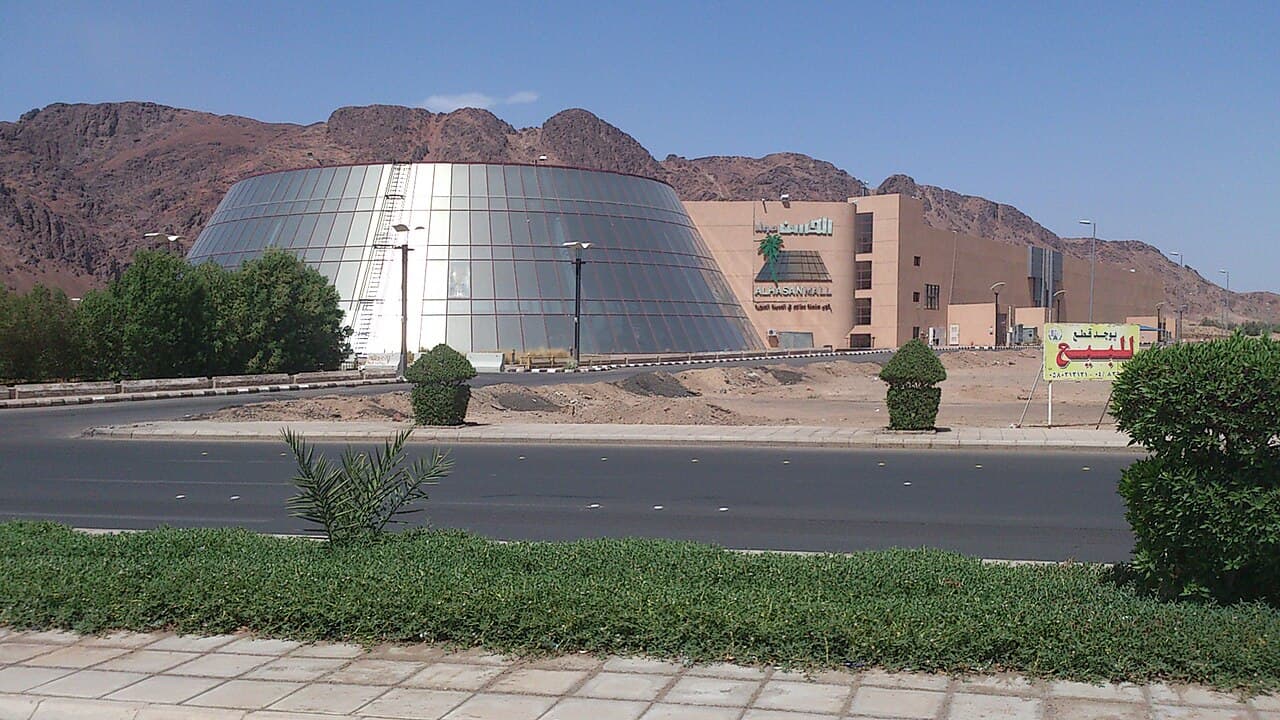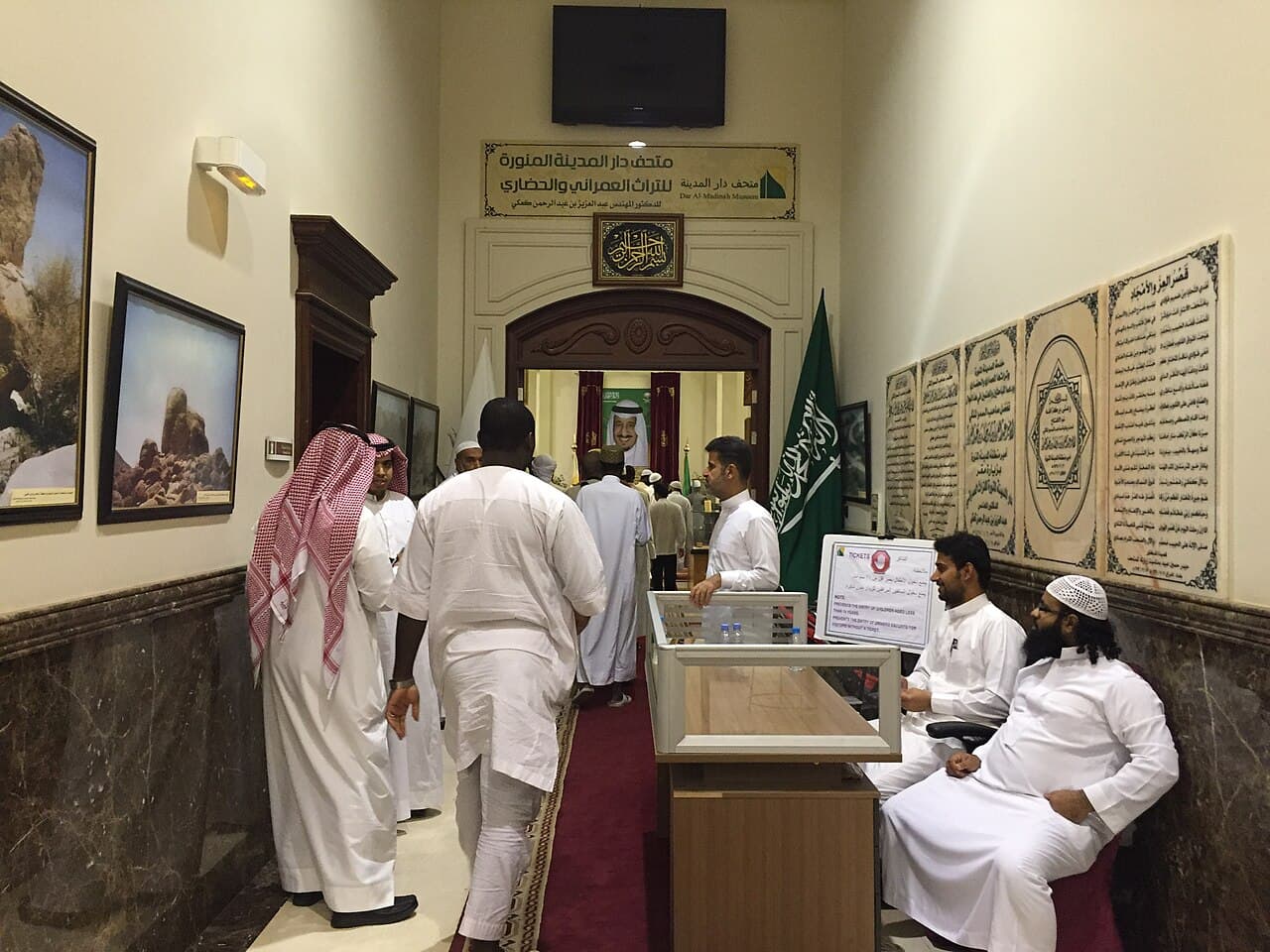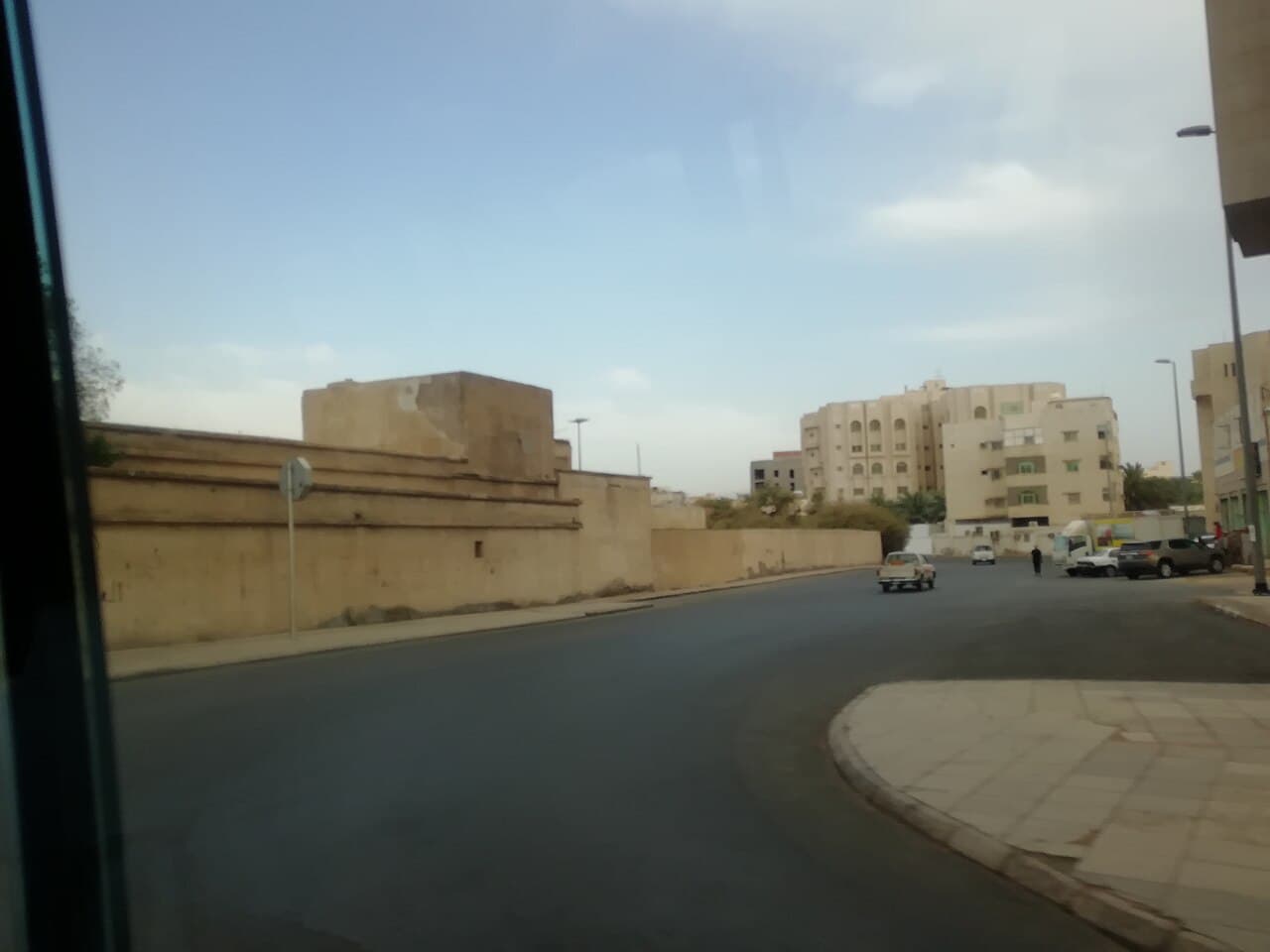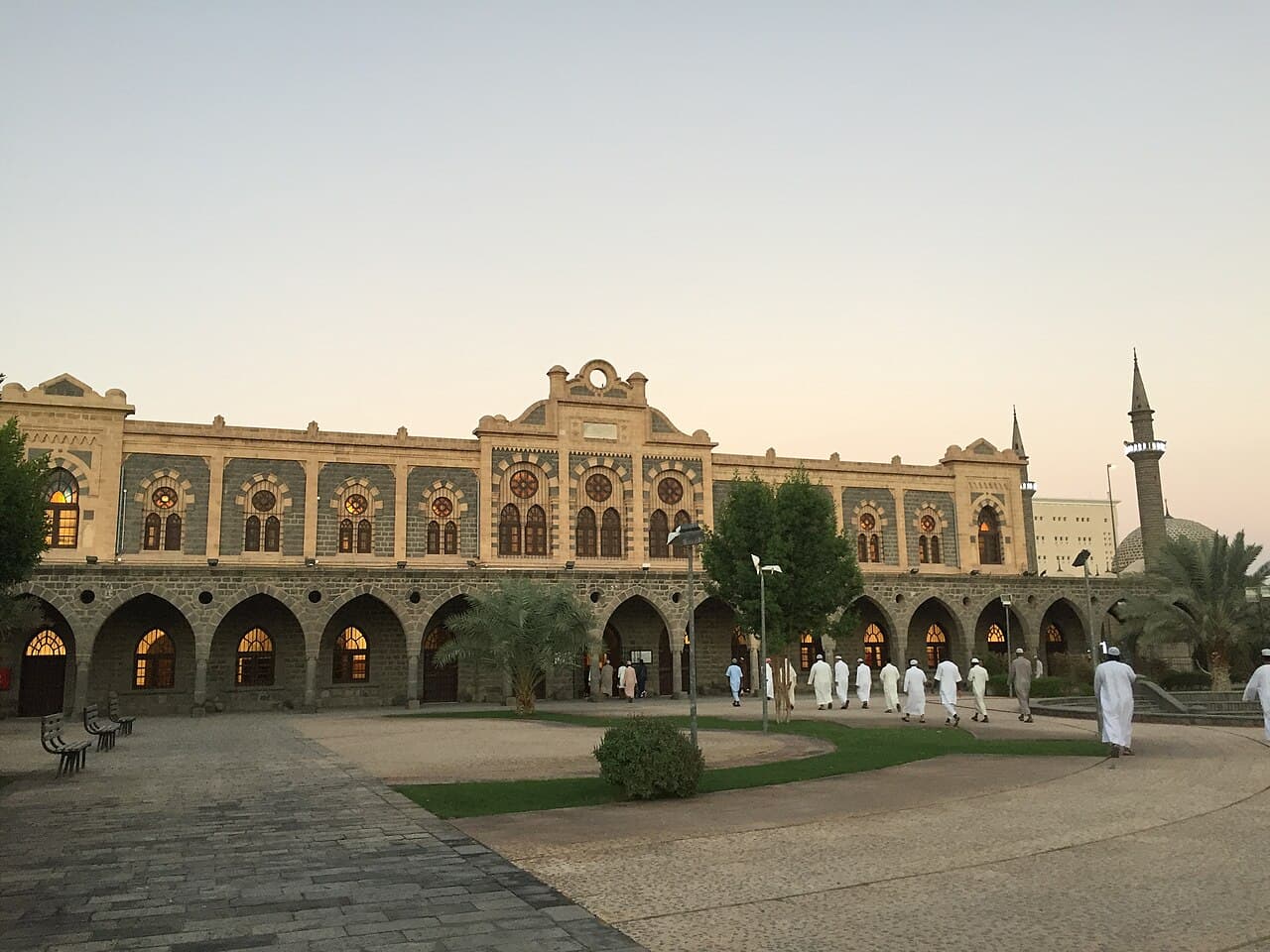
Madinah's visitor architecture cannot be read through one label such as old or traditional. The former Hijaz Railway station preserves an industrial complex; Uhud Castle is a late Ottoman defensive structure; Dar Al-Madinah uses models and photographs to interpret changed fabric; and the Heritage Quarter is a modern place designed to evoke earlier neighbourhoods and markets. Each requires a different kind of looking.
This guide helps architecture readers distinguish surviving material, restoration, representation and contemporary reconstruction. It does not judge religious value, prescribe devotional behaviour or imply that an attractive modern recreation is an untouched historic quarter.
At a glance
Start here
- Ask whether you are seeing original fabric, restoration, a model or modern interpretation.
- Read the former Hijaz station as a functional complex, not one facade.
- Use museum models to test spatial relationships, not prove every detail survives.
- Treat the Heritage Quarter as a contemporary project that simulates older forms.
01
Name the kind of evidence
Before interpreting a building, name what stands in front of you. Is it a structure that survived with changes, a restored complex, an interior exhibition, a scale model, or a new project inspired by earlier architecture? Official pages use all these categories, sometimes within one venue. Treating them as identical blurs the city's history and encourages claims that sight alone cannot support.
Make a four-column note: material, function, intervention and source. Record what a structure appears to be made from, what it was built to do, what restoration or reconstruction the official page acknowledges, and which fact comes from a label rather than your eye. This keeps observation lively without converting a visual guess into historical certainty.
Sources: Visit Madinah, Madinah Region Development Authority; Visit Madinah, Madinah Region Development Authority; Visit Madinah, Madinah Region Development Authority; Visit Madinah, Madinah Region Development Authority02
Read the railway as a complex
Visit Madinah describes the Hijaz terminus as a 1908 station with twelve railway-service buildings, later restored and rehabilitated as a museum. Read relationships among buildings, tracks, yards and circulation before isolating decoration. A terminus had to move passengers, goods and railway work through connected spaces; the architecture records those demands even after its function changed.
The page also places Al-Suqya Mosque within the station walls. That adjacency shows layers beyond railway engineering. It does not mean the mosque was created as a railway amenity. The mosque's own page links the site to an earlier history and describes a small, three-domed form after repeated rebuilding. Read the station boundary as a later layer around an older place.
- Look for service relationships among buildings.
- Separate older site memory from railway-era function.
- Treat museum conversion as another chapter.
03
Use models with discipline
Dar Al-Madinah is designed for comparative looking. Its official page highlights reality-simulation models, photographs of urban heritage, an architectural and cultural heritage hall, and collections that range across periods. Models can reveal street relationships or building massing difficult to perceive in today's dense city, especially where older fabric changed during expansion.
A model is still an interpretation. Check its date, scale, legend and stated subject. Ask whether it reconstructs a particular period or combines information from several sources. Compare it with photographs and objects in the same gallery. The useful outcome is a better question about the city, not confidence about a detail the label does not explain.
Sources: Visit Madinah, Madinah Region Development Authority; Visit Madinah, Madinah Region Development Authority04
Follow one building through expansion
The Prophet's Mosque Museum offers a focused way to study architectural change. Its official description says displays trace stages of expansion and explain the pulpit, prayer niche, domes, umbrellas, gates, minarets and squares. Keep the visit architectural: compare how functions, circulation and enclosure changed over time rather than offering religious instruction.
Build a sequence from an earlier stage to a later one using visual, written and audio material. Note what was added, what changed position and what problem an expansion appears to address. If the label does not explain a motive, leave it as a question. Respect current mosque operations and do not treat exhibition access as permission to document restricted areas.
Sources: Visit Madinah, Madinah Region Development Authority05
Distinguish fortification from scenery
Uhud Castle is useful because its form follows a specific defensive function. Visit Madinah describes two overlapping circular towers, observation and firing openings, stone stairs and an open monitoring yard. It also says the structure was built with stone from the mountain, visually tying it to the landscape while preserving its separate Ottoman chronology.
Read position and visibility before style. Ask what could be watched from the northwestern end of the mountain. The official page identifies the context, so do not project the castle backward into the Battle of Uhud. Current interior access is not established; observe from lawful public areas unless present authorities state otherwise.
Sources: Visit Madinah, Madinah Region Development Authority06
Read reconstruction honestly
The Heritage Quarter is explicit about its method. Its official page calls it a model of old neighbourhoods and says it was designed in a style that emulates earlier housing, architecture and markets. That makes it evidence of how heritage is presented today, not automatic evidence that each facade survives from an earlier century.
Compare recreated street proportions, shopfronts and craft spaces with historical photographs at Dar Al-Madinah or the arts displays described within the complex. Ask what the project chooses to remember and how contemporary visitor needs shape the result. Verify current hours separately; architectural interpretation does not require freezing an operational schedule into the article.
Sources: Visit Madinah, Madinah Region Development Authority; Visit Madinah, Madinah Region Development AuthorityUseful answers
Reader questions
Is the Heritage Quarter an untouched old neighbourhood?
No. Its official page describes a modern destination designed to model and emulate older Madinah neighbourhoods, markets and architecture.
Sources: Visit Madinah, Madinah Region Development AuthorityWhy is the Hijaz Railway Museum architecturally useful?
The terminus is a group of service buildings rather than one monument. Restoration and museum conversion allow comparison of transport function, preservation and new use.
Sources: Visit Madinah, Madinah Region Development AuthorityCan a model prove exactly how a lost building looked?
Not alone. Use its date, legend and label, then compare it with photographs, plans and objects. Dar Al-Madinah's mixed media supports that method.
Sources: Visit Madinah, Madinah Region Development AuthorityDoes the Uhud Castle page confirm entry?
No. It describes the castle's form, history and approach but does not grant unrestricted interior access. Follow current signs and directions.
Sources: Visit Madinah, Madinah Region Development AuthorityRead the evidence
Sources and further reading
These sources support the relevant sections above. Plans and comparisons are editorial suggestions. Check operators for current arrangements.
- Hijaz Railway Museum ↗Visit Madinah, Madinah Region Development Authority · Accessed 14 September 2026
Station date, service buildings, museum conversion and mosque location.
- Al-Suqya Mosque ↗Visit Madinah, Madinah Region Development Authority · Accessed 14 September 2026
Earlier history, repeated rebuilding and current three-domed form.
- Dar Al-Madinah museum ↗Visit Madinah, Madinah Region Development Authority · Accessed 14 September 2026
Heritage hall, models, photographs and collections.
- The Prophet's Mosque Museum ↗Visit Madinah, Madinah Region Development Authority · Accessed 14 September 2026
Displays on expansion and named architectural elements.
- Uhud Castle ↗Visit Madinah, Madinah Region Development Authority · Accessed 14 September 2026
Ottoman purpose, tower plan, openings, stairs, yard and stone.
- The Heritage Quarter ↗Visit Madinah, Madinah Region Development Authority · Accessed 14 September 2026
Modern project's role as a model of older urban forms.